Epigraph Thesis: A Comprehensive Guide to Understanding and Including Epigraphs in Your PhD Thesis
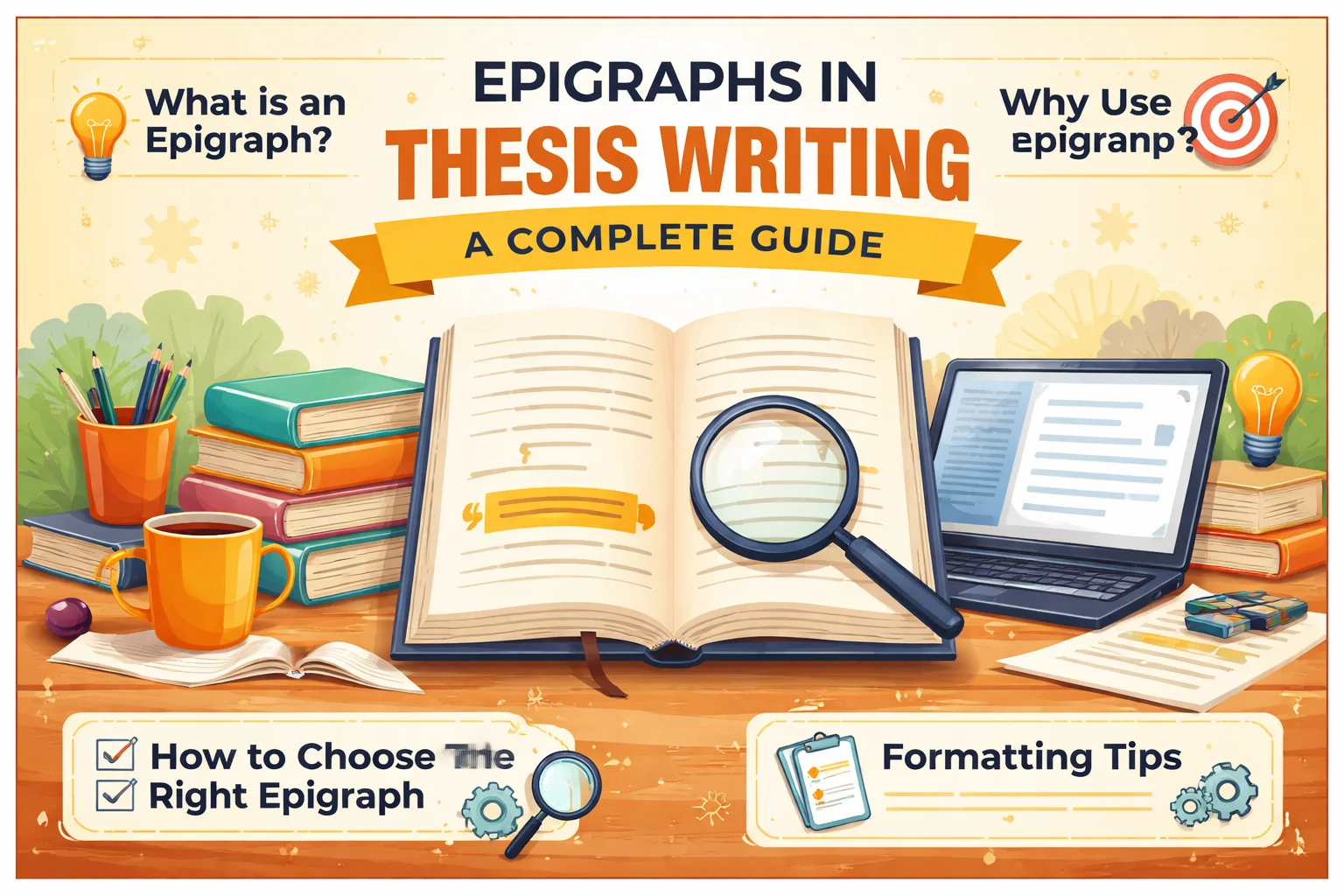
In the world of academic writing, an epigraph is a powerful literary tool. It’s a short quote or saying placed at the beginning of a thesis, dissertation, or chapter. Epigraphs often come from famous literary works, philosophers, or influential figures, setting the tone for the work that follows. Although the use of epigraphs is optional, including them in your thesis can be highly beneficial. It not only offers a sense of depth to your work but can also help connect your research to broader themes or ideas.
However, understanding how and when to use an epigraph can be challenging for many students. Do you use it at the start of the thesis, or is it more suitable for individual chapters? Should it be an inspiring quote or a critical statement? These questions often arise during the thesis-writing process. This guide will explore the importance of an epigraph, the best way to include it in your thesis, and how it can enhance the overall structure and readability of your academic work. Harvard’s Writing Center provides valuable advice on how to write a thesis, and it can include sections on creative elements like the use of epigraphs.
What is an Epigraph?
An epigraph is a brief quotation or phrase that appears at the beginning of a thesis, chapter, or section. It typically offers insight into the theme, tone, or central argument of the work. The purpose of an epigraph is to provoke thought, set a reflective mood, or highlight a core idea that will be explored further in the thesis.
Types of Epigraphs
- Literal Epigraph: A quote that directly reflects the thesis’s main idea. It may encapsulate the central argument or question of the research.
- Thematic Epigraph: A quote that reflects the broader theme of the work, even if it’s not directly related to the content. For instance, philosophical quotes in a political science thesis.
- Symbolic Epigraph: This type often carries symbolic meaning, shedding light on the work’s metaphorical or deeper meaning.
Why Should You Include an Epigraph in Your Thesis?
There are several reasons why you may choose to include an epigraph in your thesis. The key benefits include:
- Setting the Tone: An epigraph helps in setting the mood or atmosphere of your thesis. Whether it’s an inspiring quote or a philosophical musing, it creates an immediate emotional or intellectual connection with the reader.
- Framing Your Research: Including an epigraph at the beginning of your thesis can frame your research in a broader intellectual context. It shows the reader that your work is rooted in established ideas or a particular tradition of thought.
- Establishing Credibility: Epigraphs drawn from famous authors or philosophers can enhance the credibility of your research. By demonstrating that your work connects with well-known ideas, it places your research in a broader intellectual tradition.
- Clarifying Central Themes: An epigraph can directly or subtly introduce the main idea or thesis of your work. For example, if your research deals with environmental change, a quote from a famous environmentalist or scientist can set the stage for your discussion.
- Appealing to Emotion and Intellect: Epigraphs can engage the reader on an emotional or intellectual level before they dive into the body of the thesis. A thought-provoking or inspiring quote can captivate the reader’s attention, making them more likely to engage with the rest of the work.
How to Choose the Right Epigraph for Your Thesis?
Choosing an epigraph for your thesis is a critical step in the writing process. The right epigraph can not only set the stage for your research but also guide the reader through the themes you plan to explore. Here’s how to select the best one for your work:
- Relevance to the Research Topic: The epigraph should be relevant to your research and the arguments you’ll be making. Whether you are writing about technology, literature, psychology, or history, the epigraph should relate to the core message of your thesis.
- Author or Source Credibility: Using quotes from well-respected authors, scholars, or historical figures can lend authority to your work. This is particularly important in academic writing, where the credibility of sources is paramount.
- Brevity and Clarity: The quote should be short and to the point. A lengthy epigraph can overwhelm the reader and detract from the message you’re trying to convey. Keep it concise, impactful, and easy to understand.
- Tone Alignment: The tone of the epigraph should align with the overall tone of your thesis. If you are writing a formal, serious thesis, avoid using a humorous or overly casual quote unless it’s deliberately used to make a point.
- Uniqueness: Try to find a unique epigraph that isn’t commonly used. Overused quotes can seem cliché and diminish the impact of your work. Choose something fresh and thought-provoking that will resonate with your readers.
Correct Placement and Formatting of an Epigraph in Your Thesis
Once you’ve chosen the perfect epigraph, the next step is determining where and how to place it in your thesis. Here’s how to do it correctly:
Placement of the Epigraph
- At the Beginning of the Thesis: Many authors choose to place the epigraph on its own page at the beginning of the thesis, before the introduction. This allows it to serve as an introduction to the entire work, giving readers a preview of the themes to come.
- At the Beginning of Each Chapter: Another common practice is to place an epigraph at the start of each chapter, especially if each chapter addresses a distinct aspect of your research. This technique can help to guide the reader through the shifting themes and topics.
Formatting the Epigraph
- Font: The epigraph should be in italics, distinct from the rest of the thesis text. It should be centered on the page to draw attention.
- Author and Source Citation: After the epigraph, include the author’s name and the source of the quote. This could be the title of the book or work from which the quote is drawn.
- Example in MLA Format:
- “The unexamined life is not worth living.” – Socrates, Apology
- Spacing: The epigraph should be separated from the main text by a few spaces (typically one or two lines), ensuring that it stands out on the page.
Common Mistakes to Avoid When Using an Epigraph Thesis
While an epigraph can enrich your thesis, there are several common pitfalls to avoid:
- Using an Overused Quote: While some famous quotes might seem tempting, they are often overused in academic writing. Avoid quotes that have become clichés and opt for something more original and thought-provoking.
- Irrelevance to the Theme: An epigraph should reflect the central theme of your research. Don’t choose a quote just because it sounds profound or fits a general theme. Ensure that it directly contributes to your work’s narrative.
- Too Many Epigraphs: A thesis is an academic document, not a creative writing piece. Overloading your thesis with too many epigraphs can overwhelm the reader and dilute their impact. It’s best to limit yourself to one epigraph at the beginning of the thesis or one per chapter.
- Lack of Proper Citation: Always cite the source of the epigraph properly. Not providing full citation details in the bibliography or reference section is a common mistake that can affect the academic integrity of your thesis.
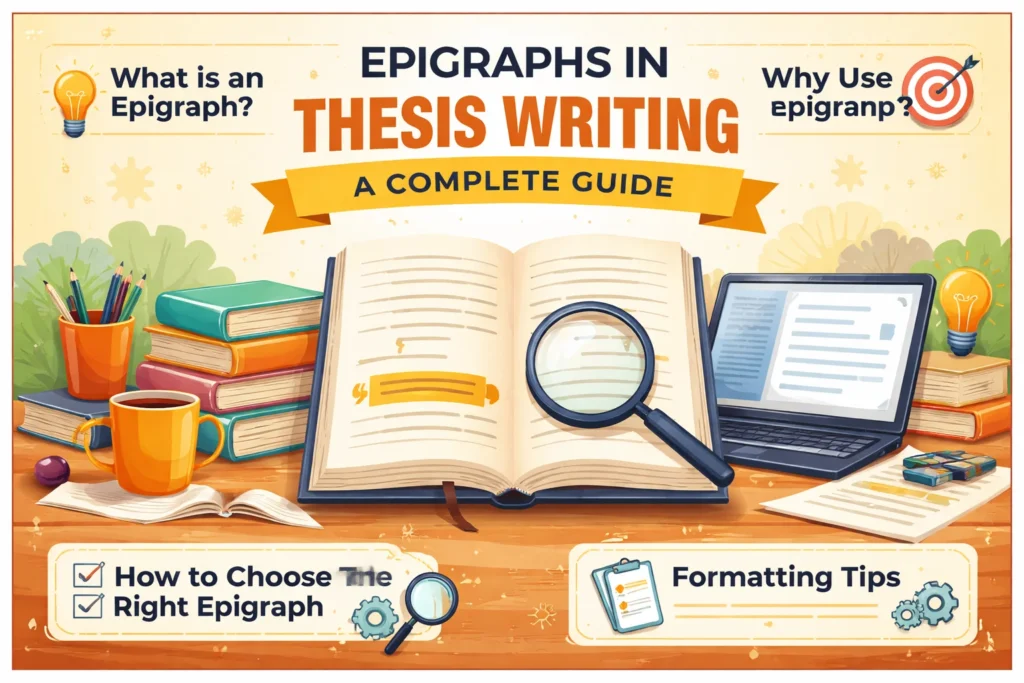
Examples of Epigraphs for Different Academic Disciplines
Here are some examples of how you might use an epigraph in various academic disciplines:
- Philosophy Thesis:
- “The only true wisdom is in knowing you know nothing.” – Socrates, The Apology
- Psychology Thesis:
- “The mind is everything. What you think you become.” – Buddha
- Literature Thesis:
- “All that is gold does not glitter, not all those who wander are lost.” – J.R.R. Tolkien, The Fellowship of the Ring
- Environmental Science Thesis:
- “What we are doing to the forests of the world is but a mirror reflection of what we are doing to ourselves.” – Mahatma Gandhi
- Business Thesis:
- “The best way to predict the future is to create it.” – Peter Drucker
Conclusion: The Power of Epigraphs in Academic Writing
Including an epigraph in your thesis is a subtle yet powerful way to add depth, context, and insight into your work. When used correctly, an epigraph can frame your research, highlight key themes, and guide the reader’s understanding. The key is to select a quote that resonates with the central ideas of your thesis and to format it properly so it stands out.
Don’t be afraid to use this tool creatively. A well-chosen epigraph can make your thesis more compelling, engaging, and thought-provoking, enhancing the reader’s overall experience. Always ensure that your epigraph aligns with your academic goals, and avoid overusing it.
By following the guidelines outlined in this article, you can master the art of including epigraphs in your thesis and use them to their fullest potential. Get an Information on What Is Delta in Math?
FAQs About Epigraphs in Thesis Writing
- Do I need to use an epigraph in my thesis?
No, an epigraph is optional. However, it can enhance your thesis by setting the tone and framing your research. - How many epigraphs should I use in my thesis?
Ideally, use one epigraph at the beginning of your thesis or one per chapter to maintain its impact. - Can I use any quote for an epigraph?
The quote should be relevant to your thesis and come from a credible source, ideally reflecting the themes of your research. - Where should I place the epigraph in my thesis?
The epigraph is typically placed on a separate page before the introduction or at the beginning of each chapter. - Do I need to cite the epigraph?
Yes, proper citation is essential when using an epigraph, as it maintains the academic integrity of your work.