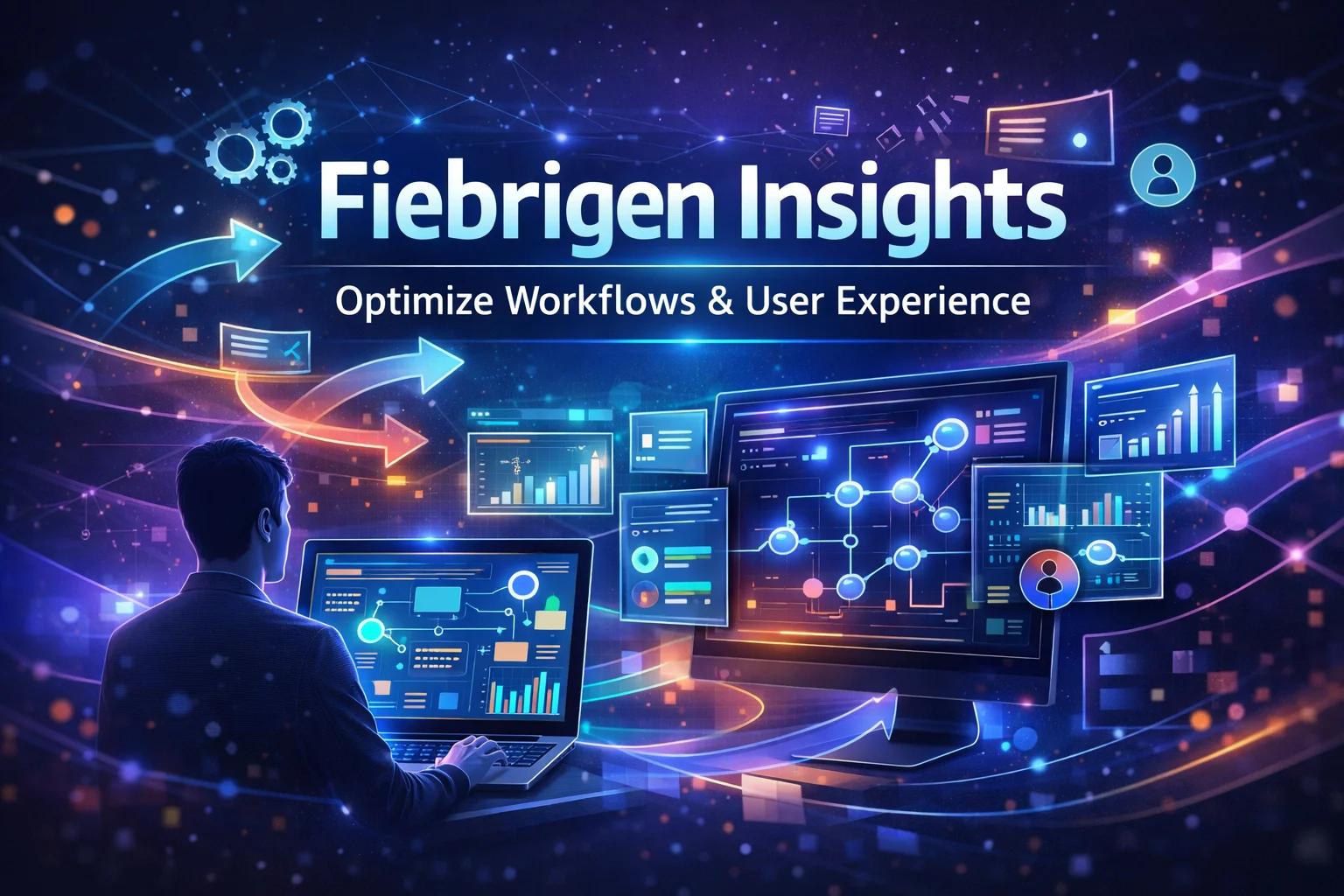
Fiebrigen Insights: Optimizing Digital Workflows and User Experience
In the modern digital landscape, efficiency and user satisfaction are no longer optional—they are essential. Businesses are constantly seeking smarter ways to streamline operations while delivering seamless experiences. This is where Fiebrigen Insights emerges as a powerful concept.
Fiebrigen Insights focuses on optimizing digital workflows and enhancing user experience (UX) through data-driven strategies, intelligent tools, and integrated systems. It bridges the gap between operational efficiency and user-centric design.
In this guide, we explore how Fiebrigen Insights can transform your workflows, improve productivity, and elevate user engagement.
What Are Fiebrigen Insights?
Fiebrigen Insights refers to a strategic approach that combines workflow optimization with UX enhancement, using:
- Data analytics
- Automation tools
- User behavior tracking
- Process optimization frameworks
The goal is to create systems that are both efficient for teams and intuitive for users.
Why Digital Workflow Optimization Matters?
Digital workflows define how tasks, data, and processes move within an organization. Poorly optimized workflows can lead to:
- Delays and inefficiencies
- Increased operational costs
- User frustration
- Reduced productivity
Benefits of Optimized Workflows
- Faster task completion
- Reduced manual errors
- Improved collaboration
- Better scalability
The Role of User Experience (UX) in Digital Success
User experience is a critical component of any digital system. Even the most efficient workflows fail if users struggle to interact with them.
Key UX Elements
- Ease of navigation
- Fast load times
- Mobile responsiveness
- Accessibility
Fiebrigen Insights ensures that workflow efficiency and UX go hand in hand.
Core Components of Fiebrigen Insights
1. Data-Driven Decision Making
Data is at the heart of Fiebrigen Insights.
- User behavior analytics
- Heatmaps and session tracking
- Performance metrics
These insights help businesses understand what works and what doesn’t.
2. Automation & Process Optimization
Automation reduces repetitive tasks and enhances efficiency.
- Workflow automation tools
- Task scheduling systems
- AI-driven recommendations
This leads to faster execution and fewer errors.
3. User-Centric Design Approach
Designing with the user in mind ensures better engagement.
- Intuitive interfaces
- Clear navigation paths
- Minimal friction
4. Integration of Smart Tools
Modern ecosystems rely on interconnected tools.
- CRM systems
- Project management tools
- Analytics platforms
Integration ensures seamless data flow and collaboration.
5. Continuous Monitoring & Improvement
Optimisation is an ongoing process.
- A/B testing
- Performance tracking
- User feedback loops
How Fiebrigen Insights Improves Digital Workflows?
1. Eliminates Bottlenecks
By analyzing workflows, inefficiencies can be identified and removed.
2. Enhances Team Productivity
Automation frees up time for strategic tasks.
3. Improves Collaboration
Integrated systems allow teams to work together seamlessly.
4. Reduces Operational Costs
Efficient processes lower resource consumption.
How Fiebrigen Insights Enhances User Experience?
1. Personalized User Journeys
Using data, experiences can be tailored to individual users.
2. Faster Interactions
Optimized systems reduce loading times and delays.
3. Improved Accessibility
Design ensures usability across devices and audiences.
4. Higher Engagement Rates
Better UX leads to longer session durations and conversions.
Real-World Applications of Fiebrigen Insights
1. E-Commerce Platforms
- Streamlined checkout processes
- Personalized product recommendations
2. SaaS Products
- Improved onboarding workflows
- User behavior tracking
3. Healthcare Systems
- Efficient patient data workflows
- Enhanced user interfaces
4. Education Platforms
- Adaptive learning systems
- Seamless navigation
Challenges in Implementing Fiebrigen Insights
1. Data Complexity
Handling large datasets can be overwhelming.
2. Integration Issues
Connecting multiple tools may require technical expertise.
3. Resistance to Change
Teams may be slow to adopt new systems.
4. Initial Costs
Investment in tools and training may be required.
Best Practices for Implementing Fiebrigen Insights
1. Start with Workflow Audits
Analyze current processes before making changes.
2. Focus on User Needs
Always prioritize user experience.
3. Choose Scalable Tools
Select solutions that grow with your business.
4. Leverage Automation
Automate repetitive tasks wherever possible.
5. Continuously Optimize
Regularly monitor performance and improve systems.
Future Trends in Workflow Optimization & UX
Fiebrigen Insights aligns with emerging trends such as:
- AI-driven personalization
- Voice-based interfaces
- Predictive analytics
- No-code/low-code platforms
These trends will further enhance efficiency and user satisfaction.
Conclusion
Fiebrigen Insights represents a powerful approach to modern digital transformation. By combining workflow optimization with user experience design, businesses can achieve both operational efficiency and customer satisfaction.
Organizations that adopt these principles will not only improve productivity but also create meaningful, engaging digital experiences. Get information on Marketing Fundamentals 101: Learn the Basics, Build Your Brand, Boost Sales.
Frequently Asking Questions
Q1. What are Fiebrigen Insights?
Ans. A strategy that combines workflow optimization with user experience improvement using data and automation.
Q2. Why is UX important in workflows?
Ans. Because even efficient systems fail if users cannot interact with them easily.
Q3. How can businesses implement Fiebrigen Insights?
Ans. By using data analytics, automation tools, and user-centered design principles.