Pindhuset Explained: The Smart Housing Concept for Modern Living (2026 Guide)
Rising property prices, environmental concerns, and the shift toward remote work are forcing people in the United States and Germany to rethink how and where they live. Buyers are increasingly searching for smarter, smaller, and more sustainable housing solutions.
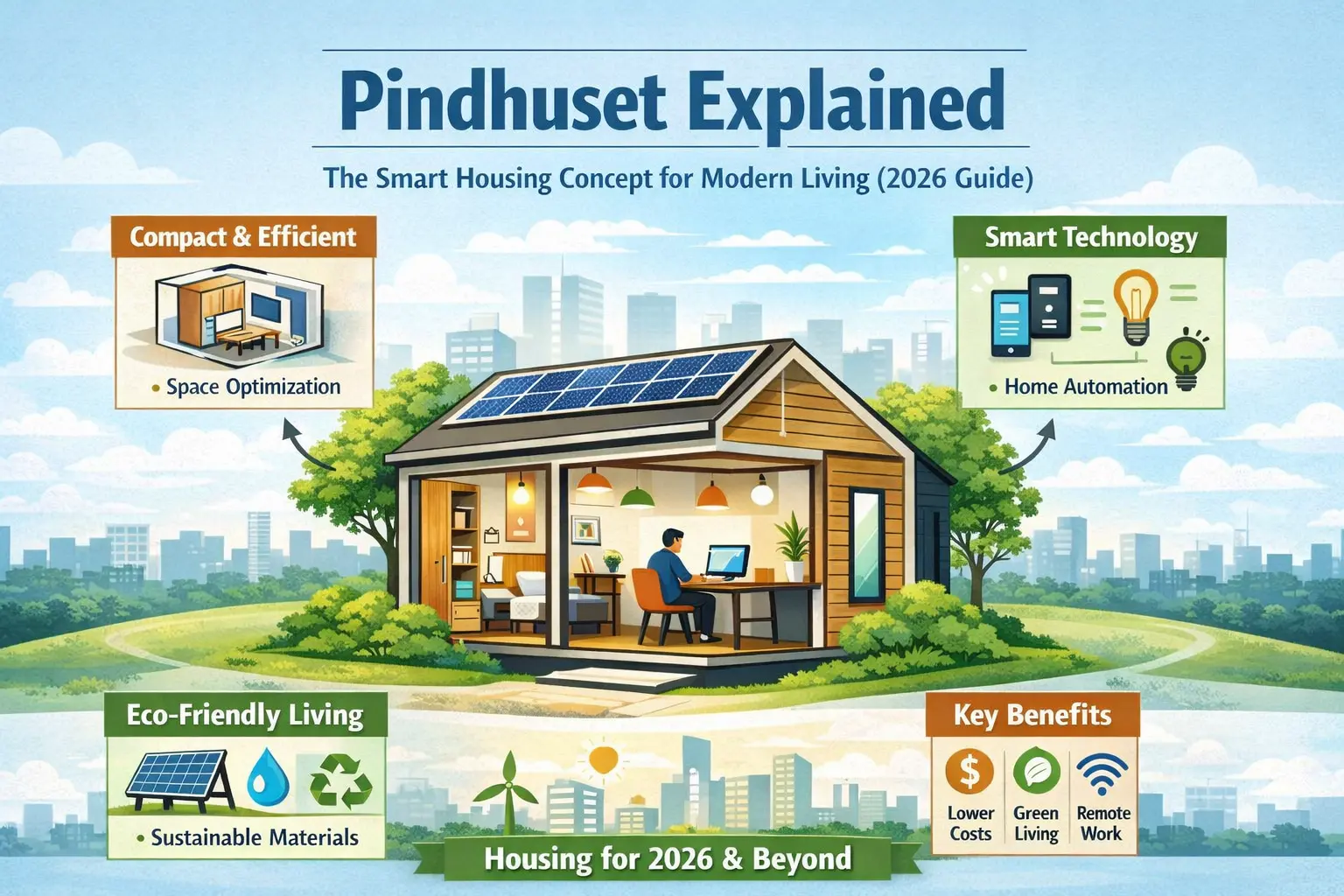
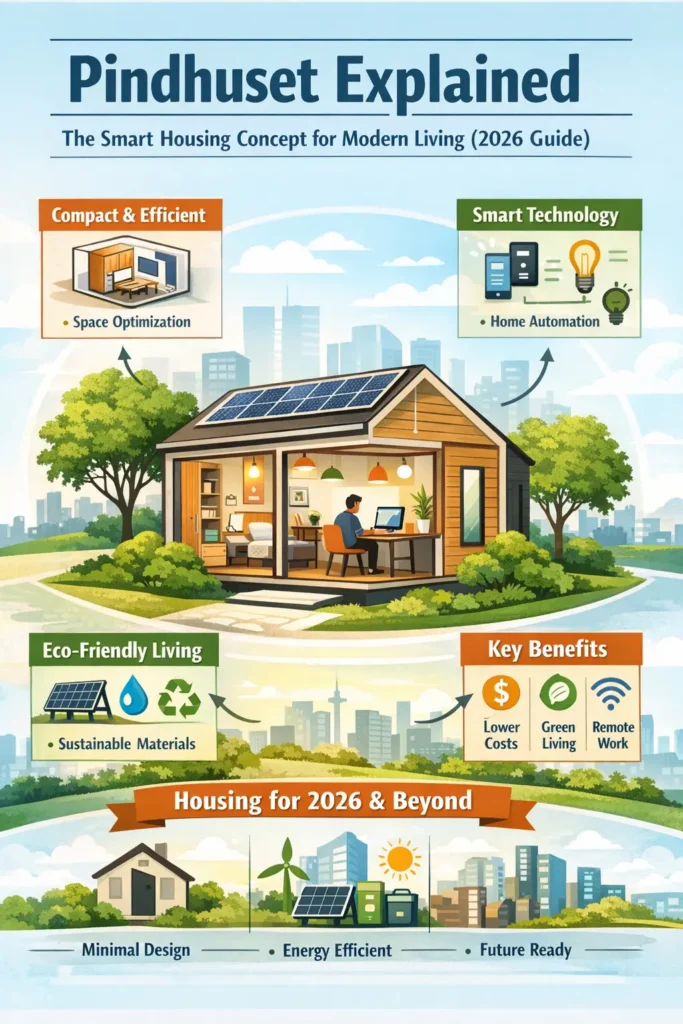
Pindhuset is a modern smart housing concept focused on compact design, energy efficiency, and technology-driven living. It combines minimalist architecture with eco-friendly materials and integrated smart systems to create affordable, comfortable homes for today’s digital lifestyle. Popular among forward-thinking homeowners, Pindhuset emphasizes sustainability, space optimization, and lower living costs while supporting remote work and flexible lifestyles. As housing prices rise and environmental awareness grows, Pindhuset is emerging as a future-ready alternative to traditional residential housing in 2026 and beyond.
Instead of building bigger homes, Pindhuset focuses on living smarter.
Every square foot is designed with purpose — blending comfort, functionality, and environmental responsibility into one cohesive living experience.
In this guide, you’ll learn exactly what Pindhuset is, how it works, and why it’s gaining attention worldwide.
What Is Pindhuset?
Pind huset is a modern housing concept designed for people who value smart living over excess space. It combines minimalist architecture with smart-home technology and eco-friendly materials to create compact yet highly functional homes.
Rather than focusing on size, Pind huset focuses on efficiency.
Every square foot is designed with purpose.
At its core, Pind huset promotes:
- Intelligent space planning.
- Energy efficiency.
- Affordable construction.
- Modern lifestyle compatibility.
It’s not just a house — it’s a living system built for today’s realities.
The Philosophy Behind Pind huset
Traditional housing models are built around expansion: more rooms, more space, higher costs.
Pind huset flips that idea.
The philosophy is simple:
Live smarter, not larger.
This concept is inspired by three major global shifts:
1. Sustainability
Environmental awareness is growing rapidly, especially in Germany and across Europe. Pind huset designs reduce energy consumption, minimize waste, and use sustainable materials wherever possible.
2. Urban Living Pressure
Cities are becoming more crowded and expensive. Smaller smart homes allow people to live comfortably without massive mortgages or rent.
3. Digital Lifestyle
Remote work and online businesses mean people no longer need large homes close to offices. Pind huset fits perfectly with flexible, location-independent lifestyles.
How Pindhuset Homes Work?
Pind huset homes are built around modular design principles. This allows flexible layouts while keeping construction efficient.
Smart Layout & Space Optimization
Instead of wasted hallways and oversized rooms, Pind huset designs include:
- Open living areas
- Multi-purpose rooms
- Foldable or built-in furniture
- Vertical storage
Every area serves multiple functions.
Integrated Smart Technology
Technology is a major part of the Pind huset concept:
- Automated lighting systems
- Smart thermostats
- Energy monitoring
- Climate control
- Remote home management
Residents can control most functions through mobile apps or voice commands.
Eco-Friendly Construction
Pind huset homes typically use:
- Energy-efficient insulation
- Low-carbon materials
- Solar compatibility
- Water-saving systems
This reduces long-term costs while minimizing environmental impact.
Key Features of Pind huset Homes
Here’s what makes Pind huset stand out:
- Minimal modern architecture
- Compact yet comfortable interiors
- Smart home automation
- Energy-saving design
- Faster construction timelines
- Lower ownership costs
- Customizable layouts
These features make it appealing to first-time buyers, professionals, and eco-conscious families.
Why Pind huset Is Gaining Popularity in the US & Germany?
Both markets face similar challenges.
1. Rising Housing Costs
In major U.S. cities and across Germany, home prices and rent continue to climb. Pind huset offers a more affordable alternative without sacrificing comfort.
2. Sustainability Culture
Germany leads Europe in green living initiatives, while U.S. buyers increasingly care about energy efficiency and carbon footprints. Pind huset aligns naturally with these values.
3. Remote Work Revolution
Millions now work from home. Smaller smart houses make more sense than large suburban properties designed for commuting lifestyles.
Benefits of Living in a Pind huset
People choose Pindhuset for practical reasons:
1. Lower Living Expenses
Smaller homes mean:
- Lower utility bills
- Reduced maintenance
- Less furniture spending
2. Faster Build Time
Modular construction allows many Pindhuset homes to be completed much faster than traditional builds.
3. Simplified Lifestyle
Minimalist design encourages decluttering and intentional living.
4. Smart Comfort
Automated systems improve daily comfort while reducing manual effort.
5. Environmental Impact
Reduced energy use supports long-term sustainability goals.
Pind huset vs Traditional Homes
Let’s compare:
| Feature | Pind huset | Traditional Home |
|---|---|---|
| Cost | Lower | Higher |
| Size | Compact | Large |
| Energy Use | Efficient | Higher |
| Build Time | Faster | Slower |
| Maintenance | Minimal | Ongoing |
| Smart Tech | Integrated | Optional |
For many modern buyers, the choice becomes obvious.
Who Should Consider Pindhuset Living?
Pindhuset works especially well for:
- Young professionals
- First-time homeowners
- Remote workers
- Small families
- Digital nomads
- Eco-conscious buyers
If you value flexibility, technology, and affordability, this housing style fits naturally.
Is Pind huset the Future of Smart Housing?
All signs point toward yes.
Global trends supporting Pindhuset include:
- Urban population growth
- Climate responsibility
- Smart technology adoption
- Housing shortages
- Lifestyle minimalism
Governments and developers are increasingly exploring compact housing solutions, making concepts like Pindhuset more mainstream every year.
By 2030, smart modular homes could represent a major share of new residential builds.
Common Questions About Pindhuset
Q1. Is Pindhuset affordable?
Ans. Yes. Most Pindhuset homes cost significantly less than traditional houses due to smaller size and modular construction.
Q2. Can Pindhuset homes be customized?
Ans. Absolutely. Layouts, finishes, and technology packages can usually be tailored to individual needs.
Q3. Is Pindhuset suitable for cold climates?
Ans. Yes. Proper insulation and smart heating systems make it viable even in colder regions like Germany.
Q4. How long does construction take?
Ans. Many builds are completed in weeks rather than months.
Q5. Is it good for families?
Ans. Small families can comfortably live in Pindhuset homes thanks to efficient layouts.
Final Thoughts
Pindhuset isn’t just another housing trend. It represents a fundamental shift in how people think about living space. Instead of chasing bigger homes, modern buyers are choosing smarter ones.
With rising costs, environmental concerns, and digital lifestyles shaping the future, Pindhuset offers a practical, sustainable, and comfortable alternative for 2026 and beyond. If you’re exploring modern housing options, Pindhuset deserves serious consideration.